Construction of a high-speed rail line


Transport and Infrastructure
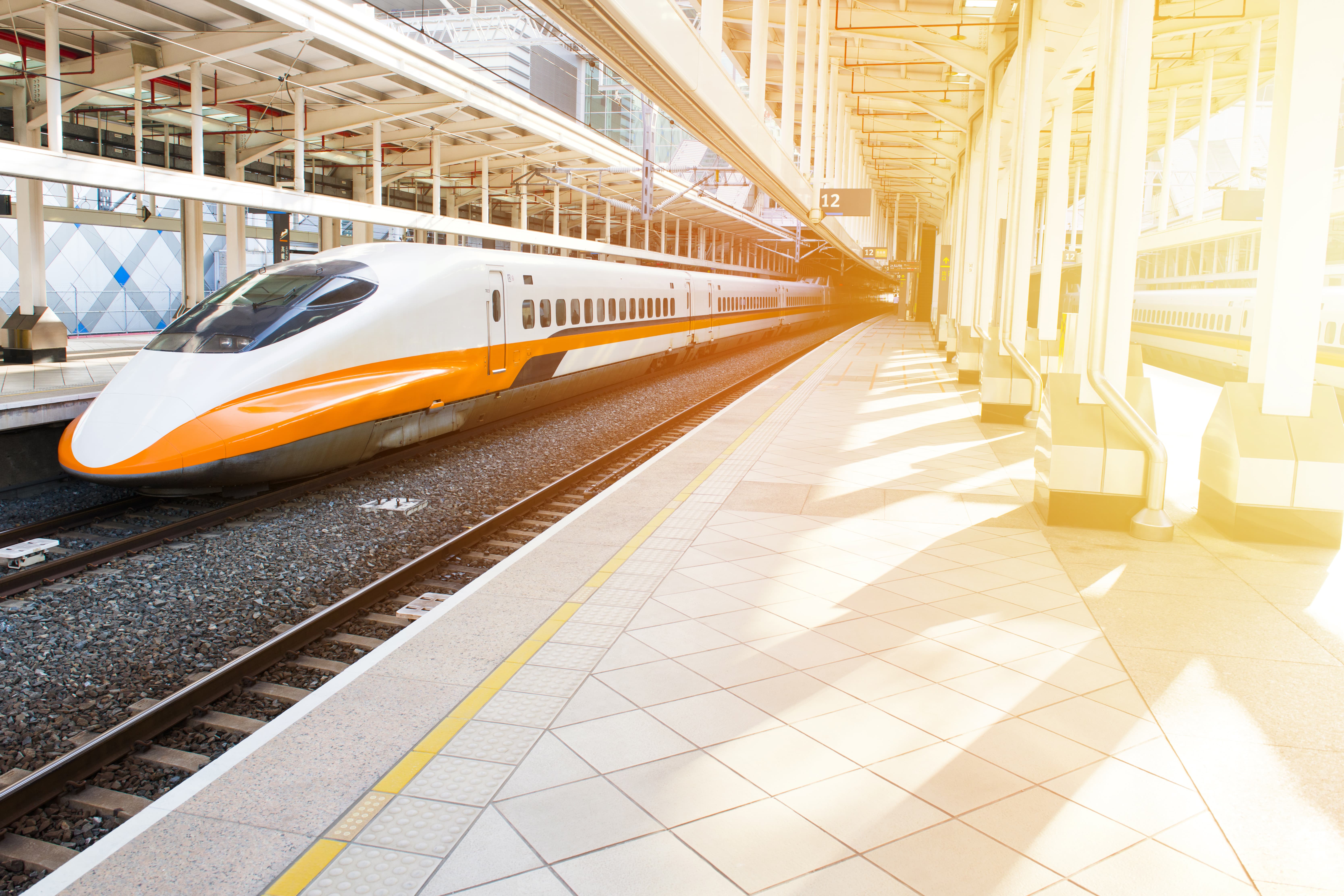
Commissioned in 2007, Taiwan’s high-speed rail is one of the most ambitious railway projects ever undertaken in Asia. As the first high-speed rail link connecting the north and south of the island, it has transformed travel across Taiwan, reducing the journey time between Taipei and Kaohsiung from almost five hours to around 90 minutes.
Built in a particularly challenging environment, the 345 km line crosses a highly seismic region and includes 252 km of viaducts and bridges, as well as 62 km of tunnels, highlighting the technical complexity of the project. Constructed in just six years, the line involved more than 2,000 international experts and 20,000 workers, demonstrating the scale of this achievement.
Developed under a BOT (Build-Operate-Transfer) contract, the project also marked a major milestone in international cooperation, combining European expertise in railway systems with Japanese Shinkansen technology for the rolling stock.
Today, the network operates 30 trains capable of travelling at speeds of up to 300 km/h, each with a capacity of 989 passengers. Now a strategic infrastructure for Taiwan’s mobility and economic development, the high-speed rail network carries several hundred thousand passengers every day and remains a global benchmark for major railway projects.


The backbone of your projects
Case studies